Written By : Ghufira, Hafni Syafira, Wardani, Suci Noumi Haura & Tiara Asyifa*
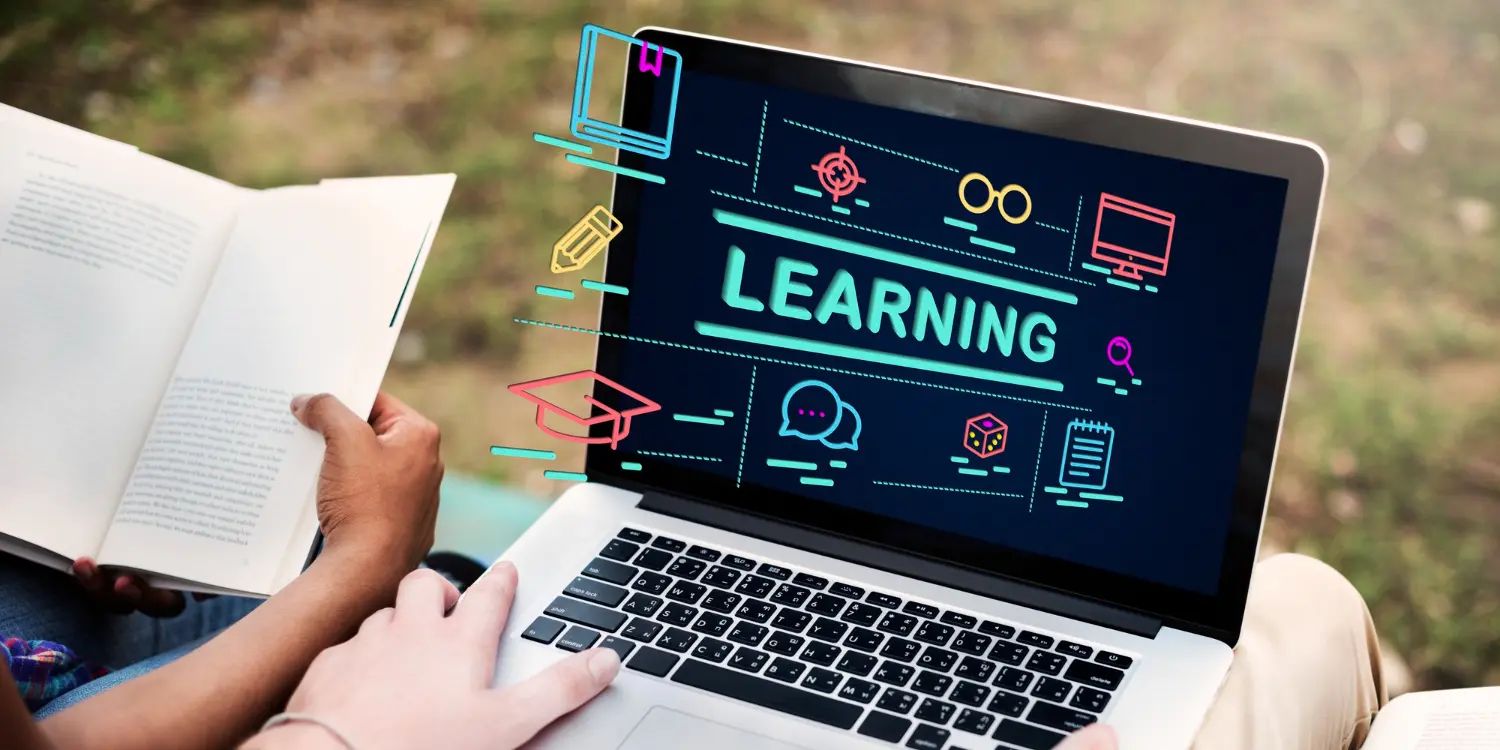
Today, technology has become an integral part of daily life. People use it for communication, work, and accessing information. Its use in education is increasing and changing traditional learning methods. Technology plays an important role in education by providing easy access to information, enhancing student engagement, and supporting flexible learning, however, it can also cause distractions, encourage overdependence on digital tools.
Technology transforms education by enhancing learning accessibility, student engagement, and flexible environments. First, it provides easy access to massive information, digital books, and global resources, allowing students to research any topic instantly. Furthermore, digital tools increase student engagement through interactive media and gamification, making complex lessons more enjoyable and easier to understand. Finally, technology supports flexible learning through hybrid models and self-paced study, giving students the freedom to learn anytime and anywhere at their own speed.
Despite its many advantages, technology can also have negative effects on education. One major concern is that digital devices and social media can distract students from learning activities, reducing their focus during lessons. In addition, excessive reliance on technology may weaken student’s critical thinking and independent learning skills. Many students depend on digital tools to complete tasks instead of developing their own understanding. Therefore, technology should be used responsibly in education.
In conclusion, technology has greatly improved education by providing easier access to information, increasing student engagement, and supporting flexible learning opportunities. However, challenges such as digital distractions, overreliance on technology, and unequal access still exist. Therefore, technology should be used wisely to create effective and equitable learning experiences. [*]
*Mahasiswa semester 4, Pendidikan Bahasa Inggris, Fakultas Keguruan dan Ilmu Pendidikan, Universitas Syiah Kuala